 The Herbivore Family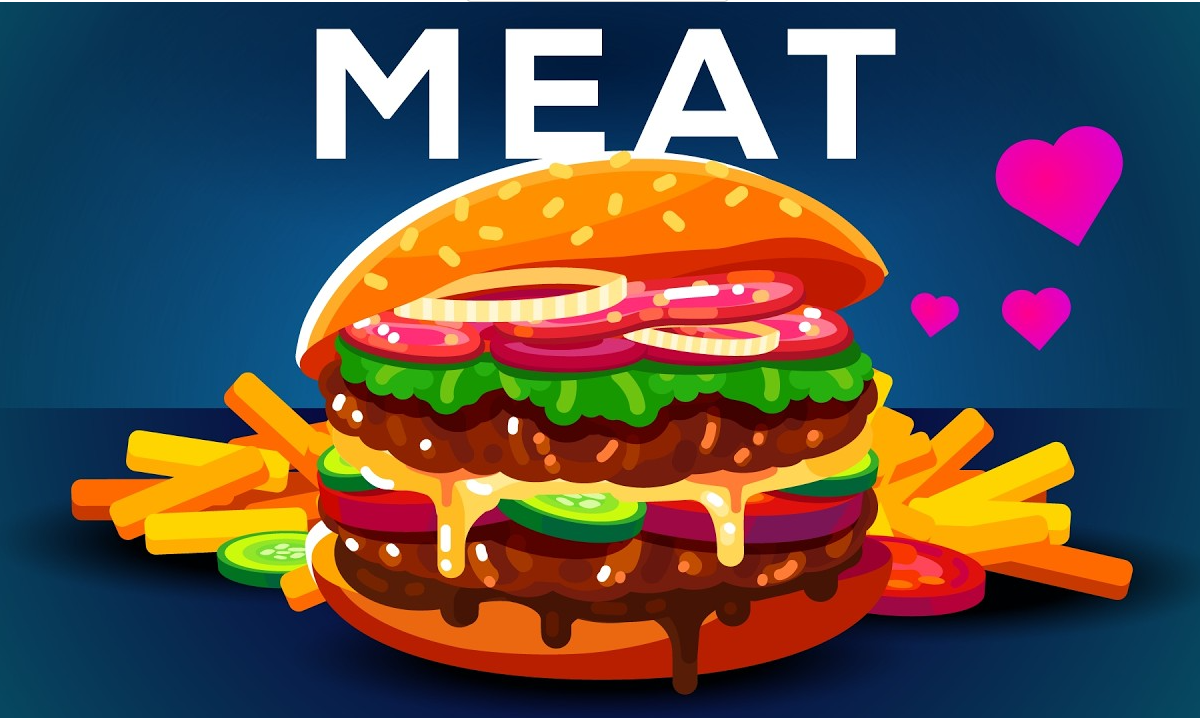
“Is Meat Really That Bad?” It explores the uncomfortable reality of factory farming, not to preach veganism, but to answer a pragmatic question: How much would it cost to stop torturing animals?
Here is the summary of the costs of compassion and the reality of our food systems.
The Core Conflict
Most people live with a paradox: we love animals and hate cruelty, yet we eat meat that comes from animals living in horrific conditions.
- The Reality: To keep prices historically low, the vast majority of livestock live in “torture camps.”
- The Solution: We don’t need to stop eating meat to end the torture; we just need to pay the true cost of raising animals decently.
The Cost of a Better Life
Farming is complex, but generally, moving animals from “torture camps” to “decent living conditions” costs significantly less than one might expect per serving.
| Animal | Current Reality | The Fix (Decent Life) | Estimated Cost Increase |
| Chickens (Eggs) | 90% in crammed cages; unable to move; painful beak clipping. | Free Range: Outdoor access, no chick culling. | ~7 cents / egg (+85 cents per dozen) |
| Chickens (Meat) | Bred to grow so fast their organs fail and legs break; crowded “prisons.” | Slower Growth & Space: Better breeds, natural light, outdoor access. | ~100% increase (Doubling the price of cheap chicken) |
| Pigs | Intelligent as dogs but treated the worst. Castration without anesthesia; mothers in crates. | Better Space: Straw bedding, no crates, outdoor access. | ~$1.20 / serving (~50% increase) |
| Cows (Beef) | Best lives (2/3 outdoors), but end in crowded feedlots. | Pasture Raised: Life-long outdoor pasture access. | ~15% increase |
| Cows (Dairy) | Indoors on concrete floors; painful ulcers. | Pasture Access: Access to grass and outdoors. | ~10 cents / liter |
The Mussel Exception: The article highlights mussels as an ethical “cheat code.” They have no central nervous system (no pain), filter water, and clean the environment. They are essentially “sea vegetables.”
The Economic Reality
If we upgraded animal welfare across the board, meat would become more expensive, but not unaffordable for the average consumer in developed nations.
- The Monthly Cost: In the US, increasing meat/dairy prices by 50% would add roughly $43 to the monthly food bill.
- Historical Context: This price hike would only return us to the percentage of income people spent on food in 1987.
- ** The Waste Factor:** Because meat is currently so cheap, we undervalue it. Roughly 20% of meat purchased is thrown away. Buying less, but higher quality meat, and wasting less of it, balances the cost.
Navigating the Supermarket
The industry makes it hard to choose better options.
- Labels are confusing: Terms like “natural” often mean nothing.
- Organic is the safest bet: While “Organic” labels sometimes include extra costs unrelated to welfare (like non-GMO feed), they are currently the most reliable way to ensure better animal treatment if you cannot research local farms.
Summary
You don’t have to be vegan to oppose torture. The suffering of billions of animals is the result of extreme market pressure to save pennies.
- Buy less meat, but better meat.
- Look for labels (Organic or Certified Humane).
- Don’t waste food.
- Eat more mussels.
