 The Herbivore Family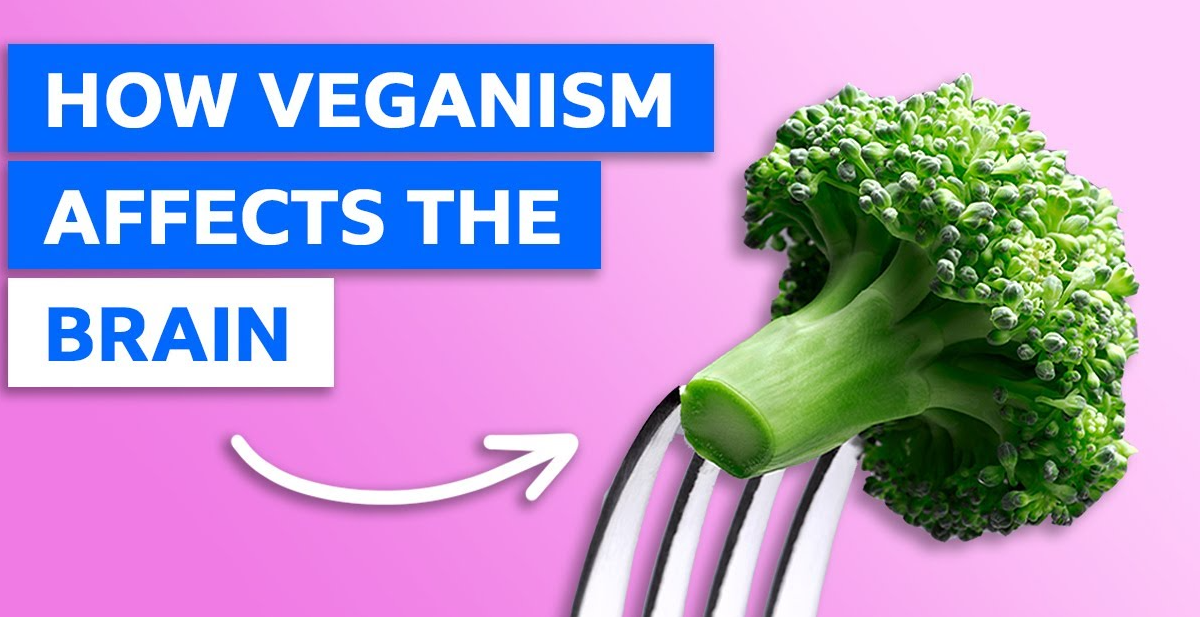
Veganism and Brain Health: Key Nutrients You Need to Watch
Thinking of trying out veganism? You are not alone. According to polls, the number of vegans in Britain quadrupled between 2014 and 2016, jumping from 150,000 to 600,000.
The good news for new vegans is that there are well-documented health benefits. For example, vegans tend to have lower cholesterol and blood pressure than omnivores, which contributes to a lower risk of heart disease. However, a question often overlooked is: what impact can a vegan diet have on the brain?
It is often assumed that animal foods are merely sources of protein and iron. However, several key nutrients essential for brain health are found predominantly—or even exclusively—in animal-derived foods. If you are following a plant-based diet, here are four critical nutrients you need to monitor.
1. Vitamin B12
Vitamin B12 is found in fish, meat, poultry, eggs, and dairy products. Deficiencies in this vitamin can leave such profound marks on the brain that they are actually visible in brain scans.
This is a particularly urgent issue for expectant mothers. There are now over 40 individual case reports of babies as young as two weeks old being hospitalized due to B12 deficiency after being born to and exclusively breastfed by strict vegetarian or vegan mothers. With surveys indicating that 38% of UK vegans are females aged 16 to 44, it is vital that vegetarians and vegans—especially those planning pregnancy—are aware of the absolute need to supplement with B12.
Symptoms to Watch For:
If you are following a strict vegan diet, be aware of “low-level” symptoms of deficiency, which include:
- Headaches
- Fatigue
- Poor concentration and “brain fog”
- Low mood and depression
Additionally, while vegans have a lower risk of heart disease, studies suggest they may have a higher risk of the most common type of stroke compared to meat-eaters, a risk thought to be linked, at least in part, to low levels of B12.
2. Choline
Another brain-healthy nutrient found most abundantly in animal foods is choline. It is present in liver, egg yolks, beef, and oily fish.
Your body uses choline to produce a neurotransmitter called acetylcholine, which plays key roles in learning, memory, attention, motivation, and healthy sleep. The amount of choline in your diet directly influences how much acetylcholine is available in your brain and central nervous system. Since plant foods contain much less choline than animal foods, vegans are at risk of insufficiency.
Plant-Based Solutions:
A compound called betaine—found in whole grains, spinach, and beetroot—might be able to do some of the work of choline, though more research is required to clarify its potential role. In the meantime, lecithin is a useful plant-based source of choline which can be purchased as a supplement.
3. Iodine
According to the World Health Organization, the single most important preventable cause of brain damage worldwide is iodine deficiency. This deficiency is linked to intellectual and cognitive deficits across populations.
Iodine is a mineral naturally rich in seaweed, fish, and seafood. It is also commonly added to animal feed, which makes dairy and eggs reliable sources for omnivores. Outside of the UK, iodized salt is a common source.
Because of these dietary differences, studies report that while omnivores typically meet or exceed adequate iodine intake, vegetarians often have moderate to low amounts, and vegans typically hover around 20% to 30% of the adequate intake.
4. Omega-3 Fats
Finally, we cannot overlook Omega-3 fats. These irreplaceable fats are not just the building blocks of brain cells; they are also essential for mood regulation, cell signaling, and switching off inflammation.
Unfortunately, hardly anyone—vegan or not—eats enough of the primary source of these fats: oily fish. For vegans, an algae-based Omega-3 supplement may be necessary to ensure you are getting these essential fatty acids.
The Bottom Line
Overall, a well-planned vegan diet can be delicious, nutritious, and environmentally friendly. However, the moral of the story is caution: if you are going to cut out an entire food group from your regular diet, it is important to first check with a qualified nutritionist to see if there are any nutrient deficiencies you need to look out for.
