 The Herbivore Family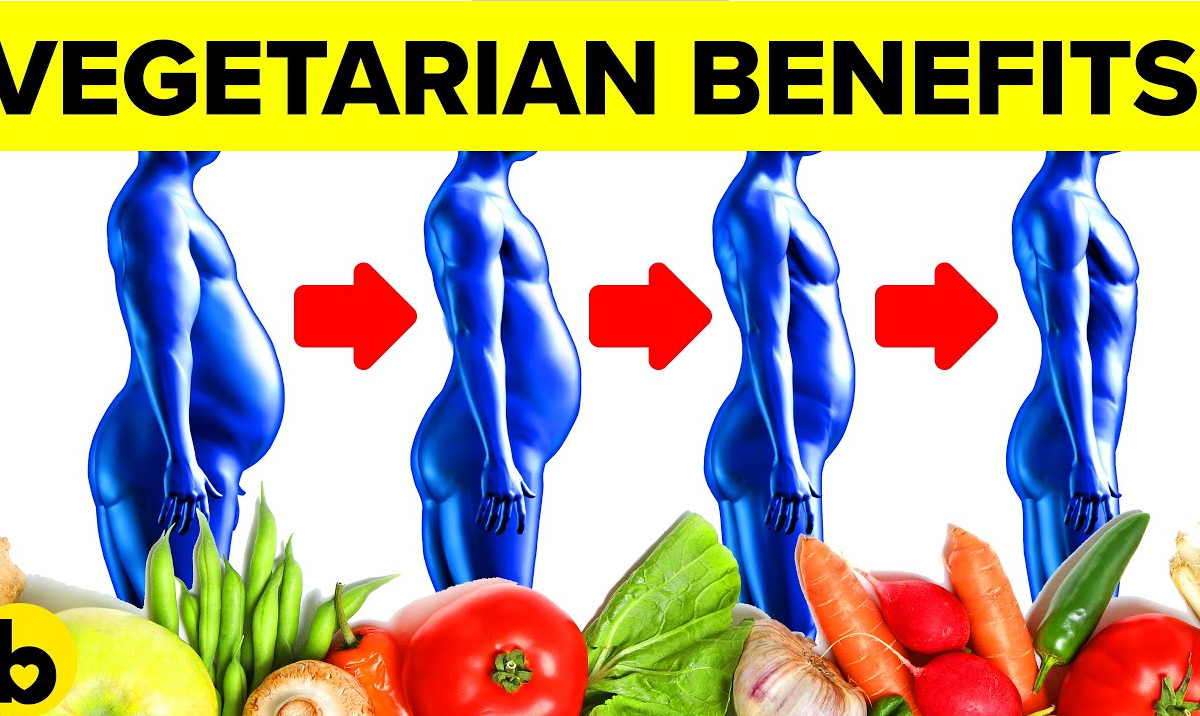
Understanding the Vegetarian Lifestyle: Types, Tips, and Benefits
A vegetarian is defined as someone who abstains from eating meat of any kind—no beef, pork, or fish. However, depending on the specific type of vegetarianism, they may still consume animal by-products such as honey, dairy, or eggs. People adopt this lifestyle for a variety of reasons, ranging from moral and religious convictions to specific dietary restrictions.
Whether you are already living a plant-based life or are simply curious, understanding the nuances and benefits of this diet is the first step toward a healthier future.
Addressing the Nutrition Myth
One of the most common concerns regarding vegetarianism is the fear of vitamin deficiencies. For a long time, the prevailing belief was that essential proteins, iron, and key vitamins could only be sourced from meat. However, recent studies suggest that leaving animals off your plate can actually counteract chronic illnesses.
That said, a vegetarian diet requires mindfulness. You cannot simply replace meat with processed snacks like Oreos and Pop-Tarts and call it a healthy “plant-based” diet. As with any lifestyle, balance is key.
According to Harvard Medical School, a healthy vegetarian diet should focus on:
- Variety: A mix of vegetables, fruits, and whole grains.
- Healthy Fats: Swapping saturated and trans fats for good fats found in avocados, nuts, and olive oil.
The Different Shades of Vegetarianism
Vegetarianism isn’t a “one size fits all” label. It is best to choose a variation that fits your lifestyle so you are more likely to stick with it. Harvard Medical School outlines the following categories:
- Vegans (Total Vegetarians): Do not eat meat, poultry, fish, or any products derived from animals, including eggs, dairy products, and gelatin.
- Lacto-ovo Vegetarians: Do not eat meat, poultry, or fish, but do eat eggs and dairy products.
- Lacto Vegetarians: Eat no meat, poultry, fish, or eggs, but do consume dairy products.
- Ovo Vegetarians: Eat no meat, poultry, fish, or dairy products, but do eat eggs.
- Partial Vegetarians: Avoid meat generally but may eat fish (Pescatarian) or poultry (Pollo-vegetarian).
Many people find success by starting as partial vegetarians and gradually working their way toward a full vegetarian or vegan diet.
7 Key Benefits of Going Veggie
If you are considering making the switch, here are seven compelling benefits associated with a plant-based lifestyle.
1. It is Generally Better for Your Body
By choosing foods that are naturally less processed and contain fewer chemicals, you are being kinder to your body. Introducing more vegetables into your diet provides your system with a rush of essential vitamins and minerals.
2. Lowers Your Cholesterol
Cholesterol is found primarily in animal products and some full-fat dairy. By eliminating meat, you significantly cut your cholesterol intake. Harvard Medical School notes that lower cholesterol is linked to a longer lifespan and a reduced risk of many chronic illnesses.
3. Reduces the Risk of Diabetes
A diet focused on natural foods rather than processed meats (like hot dogs) can lead to lower blood sugar levels. While regular exercise remains important, a plant-based diet can make a significant difference in reducing the risk of diabetes.
4. A Healthy “Glow”
A vegetarian diet can improve skin hydration. Water-based raw vegetables naturally increase fluid intake, and they are packed with antioxidants that help fight disease. The healthier you are on the inside, the more it shows on the outside.
5. Improves Gut Health
Proper digestive health relies on fiber to keep things “regular.” Plant-based sources like seeds and grains are excellent for this. According to Healthline, Chia seeds are one of the best sources of fiber on the planet, containing magnesium, phosphorus, and calcium. Homemade popcorn (without excessive butter and salt) is another excellent, fiber-rich snack.
6. Boosts Mental Health
Some studies suggest that vegetarians may experience higher levels of happiness in their day-to-day lives. This may be attributed to consuming fresh, organic foods that cleanse the body and potentially steer the mind toward more positive thinking.
7. It Helps the Planet
According to The Independent, veganism could be the single biggest way to reduce your carbon footprint. A study by the University of Oxford found that leaving animals off the menu can cut a person’s individual environmental impact by 73%. Beyond carbon emissions, this shift also reduces water consumption and frees up farmland, helping to combat wildlife extinction caused by agriculture.
Conclusion
You don’t have to become a full-time vegetarian overnight to see a difference. With millions of recipes available, finding meals you enjoy is easier than ever. If a total lifestyle change feels daunting, try a “meatless” challenge once a week with your family to increase your vegetable intake and explore the benefits for yourself.
