 The Herbivore Family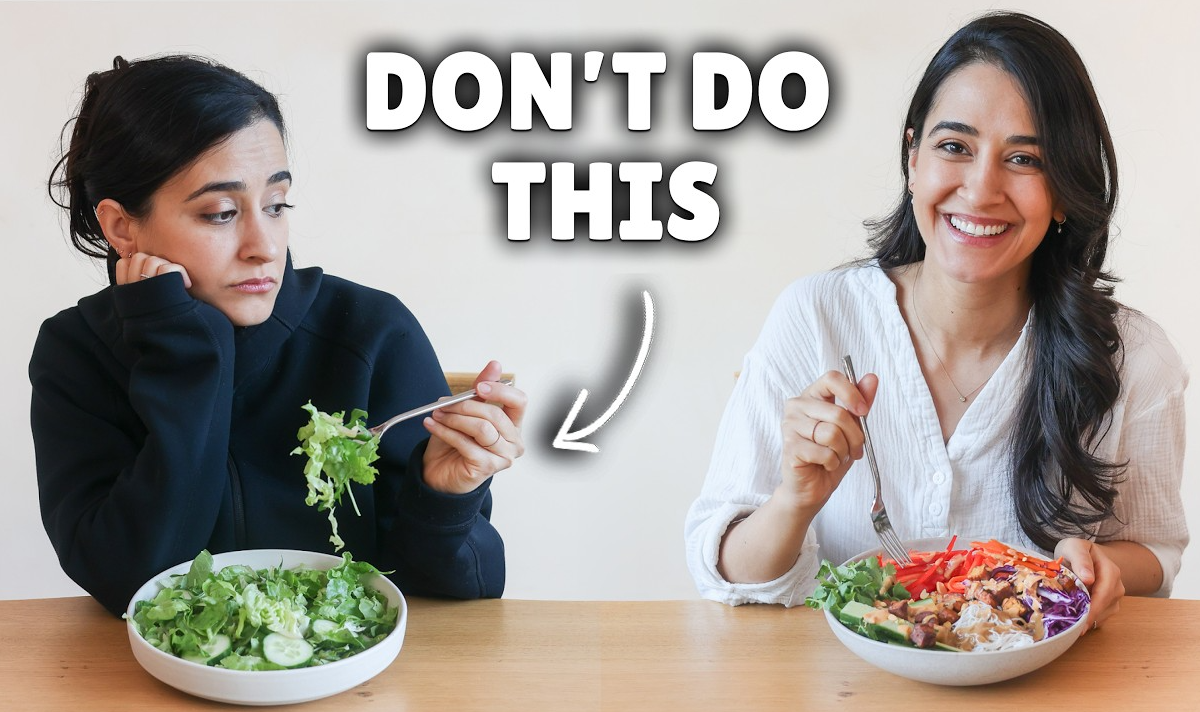
7 Things I Wish I Knew Before Going Vegan
I’ve been vegan for more than 11 years now, and with my background in dietetics, I’ve learned a lot along the way. But looking back, I had so many moments where I felt confused. I worried about my nutrients, I had a lot of questionable meals, and I honestly don’t want that same fate for you.
So, today I’m sharing the seven things I wish I knew before I started my plant-based journey.
1. The Restriction Mistake
Veganism can sound incredibly restrictive: no meat, no fish, no eggs, no dairy. When I first learned about it, I thought, “What is even left to eat?”
When you approach diet as a list of “forbidden” items, your brain pushes back. This is called psychological reactance—when something feels taken away, we naturally want it more. Willpower only lasts so long before you slip, leading to guilt.
The Fix: Adopt an abundance mindset. Instead of asking what you have to cut out, ask what you get to add in. Focus on exploring fruits, veggies, grains, beans, lentils, nuts, and seeds. As you add the good stuff, the old stuff naturally gets crowded out.
2. The Protein Mistake
I might get pushback on this, but most people do not need sky-high protein targets. Protein is massively overhyped online, fueling the fear that plants can’t provide enough. Unless you are a high-performance athlete or actively building significant muscle, you don’t need to obsess over it.
The Math: If you want a baseline, take your weight in kilograms and aim for at least that many grams of protein per day. (To get kilograms, divide your weight in pounds by 2.2).
The Simple Approach: Just include a protein source at every meal. Tofu, tempeh, edamame, lentils, beans, or soy milk. Ask yourself: Is there a protein here? If not, add one.
3. The Soy Mistake
Soy has an oddly dramatic reputation. I used to avoid it because I heard it messed with hormones or testosterone.
The Truth: That fear is based on outdated, disputed, or overblown research—often involving rodents fed isolated compounds in massive amounts humans would never eat. Human studies show that eating whole soy foods is safe. In fact, the American Cancer Society notes growing evidence that soy may lower the risk of breast cancer.
Soy is a complete protein (containing all essential amino acids), affordable, and convenient. Don’t fear the tofu!
4. The Bland Food Mistake
Animal products (butter, cheese, meat) rely heavily on fat and salt for flavor. When you switch to plants, you need a little more intention to make food taste amazing.
The Flavor Framework:
If a meal tastes “meh,” check if it is missing one of these four components:
- Fat: Tahini, olive oil, nut butters, avocado.
- Acid: Lemon, vinegar, pickles.
- Salt: Season properly, or add soy sauce/miso.
- Sweet: A touch of maple syrup, fruit, or chopped dates.
Balancing these four makes any plant-based meal delicious.
5. The Fiber Mistake
In the US and UK, nearly 95% of people don’t meet their fiber goals. Fiber is magical—it feeds gut bacteria, lowers cholesterol, and steadies blood sugar. Going plant-based naturally boosts fiber, but if you jump from low-fiber to high-fiber too fast, you will get bloated and gassy.
The Fix: This isn’t a sign that veganism “doesn’t work” for your body; it’s your microbiome adapting. Ramp up gradually and stay consistent.
- Tip: Start with smaller legumes like lentils, which are easier to digest than large beans.
6. The Tracking Mistake
When I transitioned, I obsessively tracked nutrients, which hurt my relationship with food. You don’t need to count calories to be healthy.
The Plate Method:
Use this visual tool instead of an app:
- 50% Fruit or Vegetables (the more colorful, the better).
- 25% Grains or Starches (for energy).
- 25% Plant Proteins (beans, tofu, tempeh).
- Add a small amount of healthy fats to round it out.
7. The Self-Doubt Mistake
I wasn’t prepared for the social pressure—the questions, doubts, and challenges from friends and family. It’s hard to defend your choices when you are just starting out and don’t have the answers yet.
The Fix: Learn the basics of plant-based nutrition. You don’t need to be an expert, but understanding how you get protein, why B12 matters, and what the benefits are will give you confidence. If you want a structured way to learn, look for evidence-based guides or ebooks (like our new “Beginner Guide to Veganism”) to build that foundation without falling down an internet rabbit hole.
Final Thoughts
If you are new to this, remember: you are unlearning decades of habits. Give yourself grace. Celebrate every plant-based meal as a win.
Would you like me to help you calculate your baseline protein target using the formula mentioned in the text?
